Defining Evidence-Based Standardbred Care
A Standardbred in active racing training consumes massive amounts of energy—energy that must be carefully dialed back upon retirement. Drawing on a review of several university equine science protocols, the committee selected a framework that specifically addressed the high-starch to forage-based diet transition. This phase represents the most critical biological shift a retired racer will experience.
Transitioning a horse from a high-grain track diet of up to approximately 15 pounds of concentrates daily to a pasture-appropriate forage diet requires a step-down protocol spanning 21 to 28 days. The equine hindgut relies on a delicate balance of microbes to ferment forage, and these populations need time to adjust to new feed sources. Ignoring this timeline invites severe metabolic consequences.
Risk Factor: Rapid dietary shifts leading to hindgut acidosis in off-track pacers can trigger acute colic and systemic inflammation. Always measure feed reductions by weight, not volume, during the step-down phase.
Evidence-based equine care means taking these clinical realities and applying them directly to daily pasture management. It replaces guesswork with a proven biological baseline for the adoption & transition phase, ensuring the horse's digestive system stabilizes before introducing the physical demands of retraining.
Executive Summary: Key Health Outcomes
When science dictates the transition timeline, we see distinct shifts in the physical and mental well-being of these horses. Using an aggregation of qualitative veterinary feedback from recent transition periods, rather than relying solely on owner anecdotes, ensures the outcomes reflect clinical observations of the local Standardbred population.
The primary health outcomes achieved through these applied protocols include:
- Metabolic Stability: Gradual concentrate reduction prevents the severe weight crashes and muscle wasting often seen in the first month off the track.
- Joint Longevity: Controlled movement protocols reduce acute inflammation in the hocks and stifles, preserving cartilage for future riding careers.
- Stress Reduction: Structured, predictable routines lower resting cortisol levels, helping the horse mentally decompress from the high-stimulation racing environment.
These practices have shifted how the New Jersey Standardbred community approaches rehabilitation. The focus moves from reactive treatments to proactive health management, setting a higher standard for post-track welfare.
Translating Research Into Pasture Reality
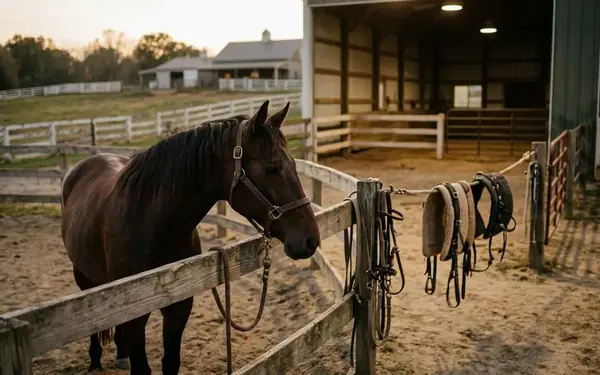
Theory falls apart without practical application in the mud and dirt of a real farm. When designing the pasture turnout schedules, the initial approach of immediate 24-hour turnout was rejected due to the high incidence of suspensory ligament strain in newly retired pacers and trotters. A horse accustomed to the manicured, predictable surface of a racetrack often lacks the proprioception required to navigate uneven, muddy pastures safely at high speeds.
Instead, during program reviews, graduated turnout begins with a 50-by-50-foot medical paddock for the first 10 to 14 days, increasing paddock size by half-acre increments every two weeks. This controlled expansion allows the soft tissues of the lower leg to adapt to new angles and uneven ground without catastrophic overloading.
While these graduated turnout schedules provide a reliable baseline, individual recovery timelines depend heavily on the horse's specific racing mileage and pre-existing joint wear. One catch: this graduated turnout schedule assumes the horse is retiring sound; those with active suspensory lesions or recent joint injections require strict stall rest as dictated by the attending veterinarian.
Critical Insight: Caloric requirements fluctuating based on the horse's specific racing gait and subsequent muscle remodeling dictate how we manage their weight across the first year of retirement. A trotter rebuilding its topline for dressage will need a different amino acid profile than a pacer transitioning to casual trail riding.
We consistently see healthier hooves and better muscular development when we match the physical space to the nutritional intake. Pulling racing plates changes the palmar angle of the hoof, and restricting early movement prevents the sole bruising that often accompanies this transition.
Resource Allocation and Educational Impact
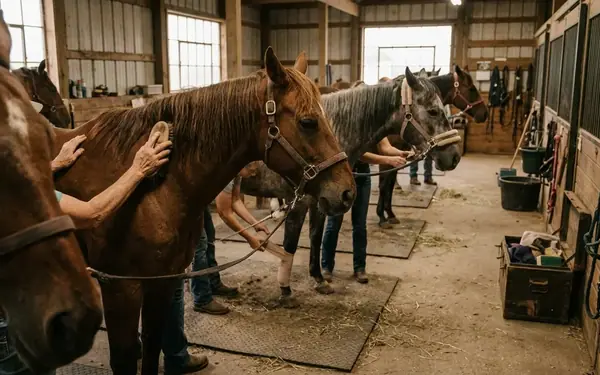
Getting this clinical information into the hands of owners requires deliberate funding and community effort. The board allocated funds by prioritizing hands-on workshops over digital webinars, determining that tactile demonstrations of body condition scoring yielded better long-term retention among new adopters. Reading about a cresty neck is entirely different from feeling the fat deposits along a horse's nuchal ligament.
The educational budget covered the printing and distribution of an estimated 500 spiral-bound transition manuals and funded three in-person hoof-packing demonstrations across a recent outreach cycle. These breed resources provide owners with immediate, actionable reference materials when they face a late-night care decision.
This level of outreach relies heavily on strong member programs and dedicated volunteer hours. A partnership sustained across multiple grant periods between local equine nonprofits and the Rutgers Equine Science Center makes this continuous education possible. It bridges the gap between academic research and the people filling the water troughs every morning, helping prepare more horses for successful second careers at local events & shows.
Next Steps for Your Off-Track Horse
Schedule a baseline nutritional and joint assessment with your equine veterinarian this week. Structure this appointment to align with the spring vaccination window, ensuring you can bundle the nutritional consultation with routine blood testing and dental floats. Print out the latest university transition guidelines and hand them to your vet during the exam to establish a targeted feeding and turnout plan. Building this proactive, science-backed veterinary partnership right now secures the foundation for your Standardbred's long, healthy career in pleasure riding.