Morning at Assunpink: The Heart of Standardbred Events
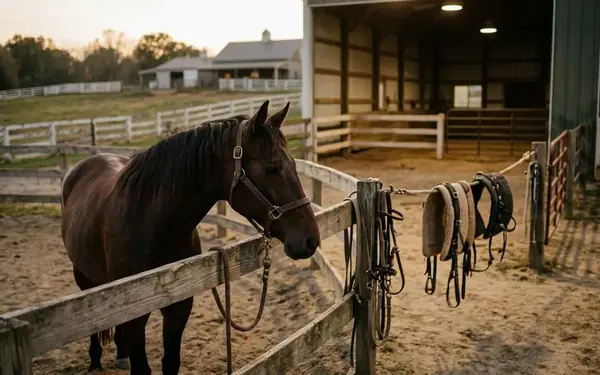
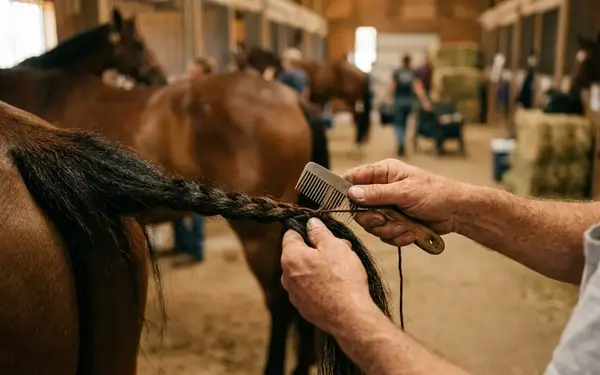
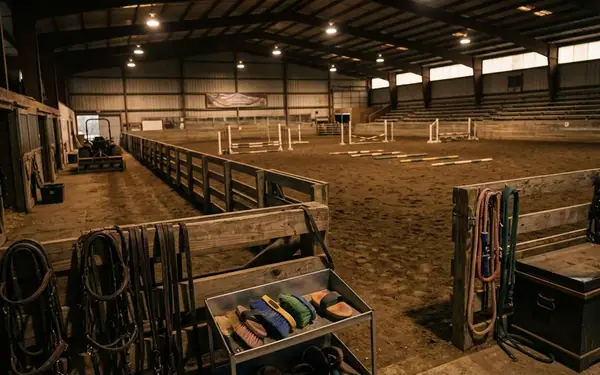
The crunch of frozen grass under hooves dictates the rhythm of the morning. Organizers monitor the ground frost closely, delaying the initial warm-up periods until the soil softens enough to protect the horses' hooves. Once the sun breaks the chill at the Assunpink Wildlife Management Area, the staging area transforms. Standardbreds, many fresh from their racing careers, stand quietly at the trailers while riders check girths and adjust breast collars.
Critical Insight: Navigating the various formats and divisions of Standardbred events requires understanding the specific demands of each ride. Riders need to know how trail paces, division requirements, and administrative details shape the day.
Criteria for Selection: What Makes a Premier Event
Evaluating what elevates a simple trail ride into a premier event requires looking past the scenery. The selection criteria hinge on organization quality, venue suitability, and inclusivity for transitioning horses. During the planning phases, the committee evaluated different scoring rubrics for venue suitability. They initially considered a strict mileage-based elimination system but rejected it in favor of a terrain-safety matrix. This approach recognizes that a shorter, highly technical trail can demand more from a green horse than a flat logging road somewhere around ten miles long.
While terrain-safety matrices provide a solid baseline, ideal pace times can shift by roughly 1 to 2 mph based on overnight clay trail saturation and ambient humidity. SPHO-NJ serves as a benchmark for these well-organized, community-focused equestrian gatherings. Their events provide a structured setting where off-track horses safely learn their new jobs.
1. The Pleasure Trail Pace
The Pleasure Trail Pace shifts the focus entirely away from the finish line sprint—this is a competition format based on an ideal time rather than sheer speed. Trail masters ride the designated route approximately 48 hours prior to the event to establish this target. They actively adjust the baseline pace calculations based on recent rainfall and mud accumulation.
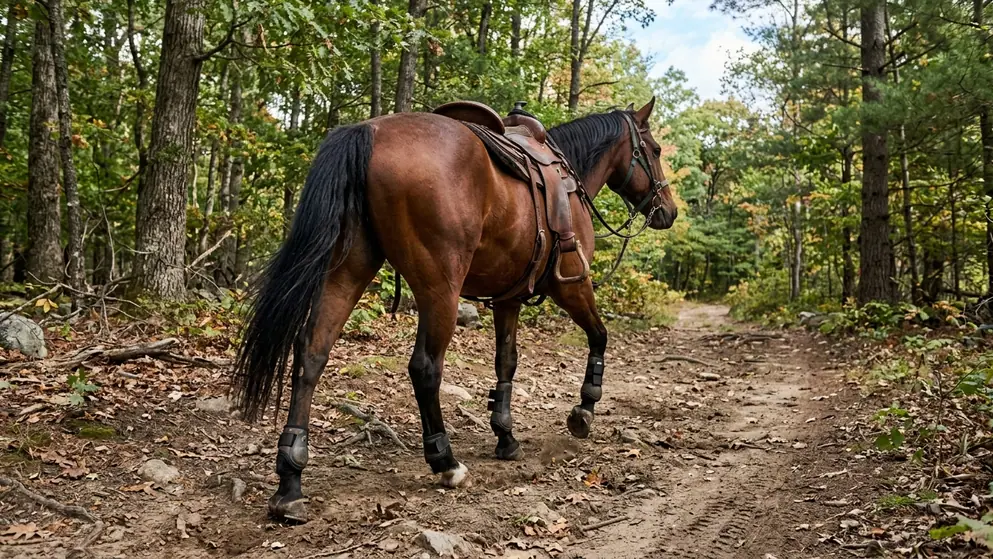
Drawing on a review of recent course logs, the resulting ideal pace calculations often fall between the mid-4s and just over 5 miles per hour for the pleasure division. Riders must strategize their pacing to match this hidden time set by the organizers. For a Standardbred transitioning from the track to the trail, this format works well. It teaches the horse to settle into a consistent, relaxed rhythm rather than anticipating a race.
2. Junior Division Showcases
Fostering the next generation of Standardbred enthusiasts requires deliberate structuring. The Junior Division operates as a dedicated category designed specifically for this purpose. Division guidelines were structured by pairing experienced adult pacers with junior riders to ensure immediate on-trail mentorship, rather than allowing youth participants to ride out in unchaperoned groups.
That team structure accommodates youth teams or pairings of one adult and one junior rider. Riding alongside a seasoned partner builds confidence and horsemanship skills in a supportive setting. The younger riders learn how to read the trail, manage their horse's energy, and navigate unexpected wildlife encounters without the pressure of riding solo.
3. Open Division Competitions
The Open Division caters to riders over 16 years of age, offering a competitive yet friendly atmosphere that draws a wide range of experience levels. During program reviews, route planners map out the Open Division trails by intentionally incorporating natural obstacles like shallow water crossings and moderate inclines to test the stamina and adaptability of off-track horses. These courses feature route lengths spanning roughly 8 to 12 miles, with elevation gains generally kept under 450 feet to prevent overexertion.
Risk Factor: Horses less than six months off the track often struggle with the sudden terrain changes in the Open Division. Pushing them too fast leads to a common failure case: off-track horses washing out or experiencing tying-up syndrome due to over-facing on steep rocky inclines too early in their retraining. A mandatory vet clearance is required if they haven't completed a novice ride first.
4. SPHO-NJ Signature Events and Case Studies
The historic May 30, 2010 Cash Ride/Drive at Assunpink Wildlife Management Area stands as a useful case study of SPHO-NJ's organization. A partnership sustained across multiple event seasons with local land managers allowed the group to host a large turnout safely. The success of these large-scale gatherings relies heavily on practical administrative details.
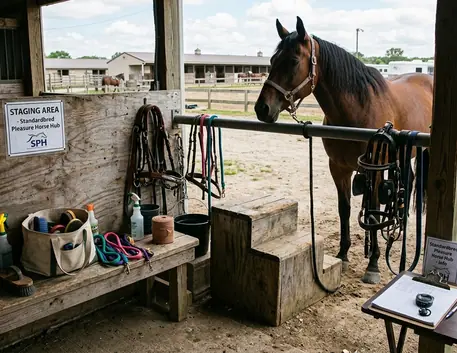
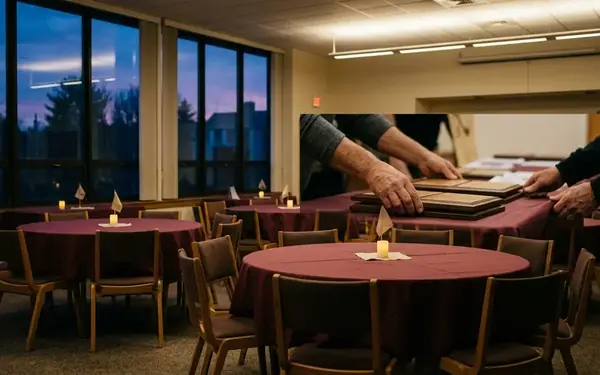
Administrative workflows dictate that early registration discounts are processed manually by the secondary contact, ensuring all health paperwork is verified line-by-line before the event day. Organizers enforce a strict 15-day window from May 1 to May 15 for the pre-registration discount. They also mandate the requirement of a negative Coggins test dated within the last 11 months. Secondary contacts, like Barbara, manage these logistics and handle the community outreach that keeps the entry lines moving smoothly on the morning of the ride.
Taking the Reins: Your Next Steps
Participating in structured Standardbred events accelerates both horse and rider development. The transition from a highly controlled track environment to the open woods requires patience, clear communication, and the right introductory setting. Connect with the SPHO-NJ community to find upcoming dates and registration flyers.
Recommendation: New participants should start with the Pleasure Trail Pace to build a strong, low-pressure foundation. This approach stems from observing transition patterns in retired racers, who often adapt better to timed, structured pacing before handling the unpredictable terrain of the Open Division. Committing to that first pleasure pace gives your retired racer a safer, steadier introduction to the trail.