From Workhorse Origins to Modern Trail Recognition: Why Your Everyday Rides Count
Busy riders only need three things to earn official mileage recognition: an active membership with the Standardbred Pleasure Horse Organization of New Jersey (SPHO-NJ), a registered or verified Standardbred, and a simple habit of logging hours spent on trails, country roads, or unmounted conditioning. Through the SPHO-NJ Recreational Mileage Program, everyday pleasure owners earn cumulative milestone awards without ever paying horse show entry fees or hauling to high-stress arenas.
This structure reconnects the breed with its foundational roots. Long before modern track specialization took hold, 19th-century families relied on the Standardbred as an all-purpose road and farm horse. When the official breed registry was established in 1879, horses qualified by meeting a 2-minute 30-second historical trotting standard for 1 mile, yet the same animals routinely pulled the family buggy to town on Sunday morning and worked the fields on Monday. Endurance, a level head in traffic, and steady movement over varied terrain defined the early American trotter.
When the SPHO-NJ board designed our recreational recognition tiers, committee members deliberately bypassed a competitive point-per-mile structure so that pleasure owners without horse trailers could achieve the exact same recognition right from their home farm lanes. Whether you hack through state forest bridal paths or jog down quiet rural dirt roads, those quiet hours preserve the exact versatility the breed was built to deliver.
Which Saddle, Harness, and In-Hand Activities Qualify for Hour Logging?
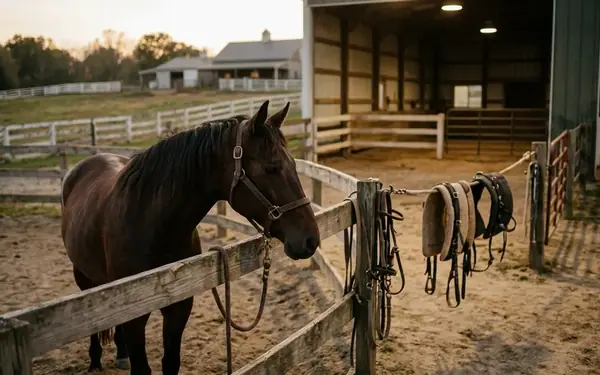
Consider a recently retired harness racer stepping off the trailer to begin a second career. During the initial 60- to 90-day decompression and let-down window after leaving the track, jumping straight into intense arena schooling rarely makes sense for the horse's mental or physical health. Instead, handlers often focus on 30- to 45-minute unmounted long-lining sessions through the woods and quiet in-hand trail walks to help the horse discover how to navigate tree roots, shallow streams, and uneven footing.
To accommodate transitioning retirees that are not yet broke to saddle, the recreational committee expanded the rules to place unmounted long-lining and in-hand conditioning on equal footing with ridden trail hours. These rules give the foundational work of adoption and transition just as much credit as finished saddle work.
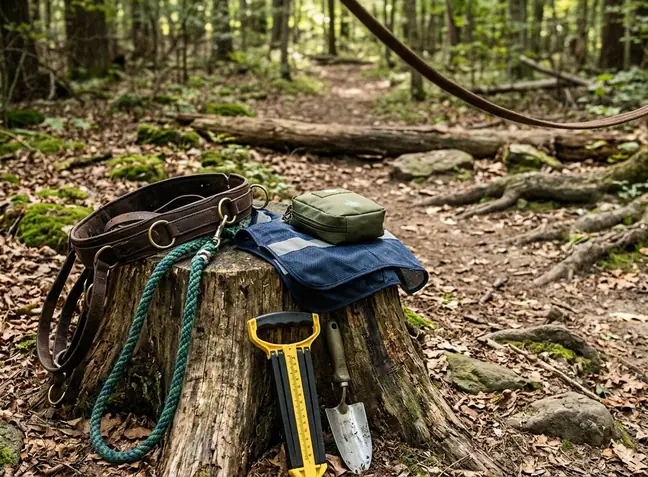
Understanding how your daily routine fits into the program requires comparing the three qualifying movement modes—under-saddle trail riding, pleasure driving in harness, and unmounted in-hand conditioning—with excluded ring warm-ups and paid instruction.
| Movement Mode | Qualifying Recreational Activities | Excluded Hours & Scenarios |
|---|---|---|
| Under Saddle | Trail riding in state or county parks, hacking out on farm lanes, and conditioning rides along quiet neighborhood roads. | Organized events & shows, show ring warm-ups, paid commercial riding lessons, or formal clinic time. |
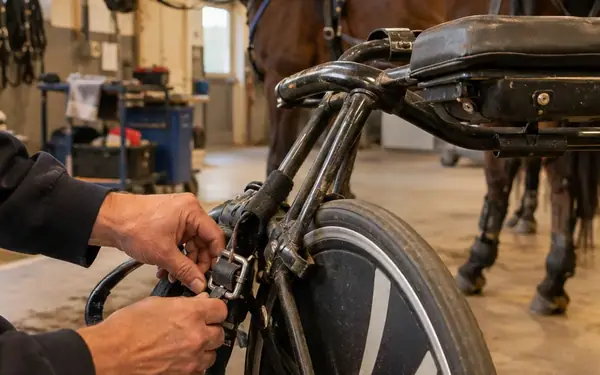
| In Harness | Pleasure driving in a jog cart, meadowbrook, or road cart along dirt roads, bridal paths, or open fields. | Commercial racing prep, competitive driving derby warm-ups, or professional training miles at a commercial facility. |
| In-Hand / Unmounted | Unmounted hiking with your horse in a halter or bridle, structured neighborhood conditioning walks, and long-lining over woodland trails. | Turnout time in a paddock, routine leading from stall to pasture, or stationary lunging inside a round pen. |
We also draw a hard boundary between active forward movement on the trail and stationary trailside halts, excluding grazing stops and camp tie-ups from the 15-minute logging increments.
Continuous Forward Progress Only
Time logged must reflect continuous forward progress in the bridle, halter, or harness; hours spent tied at a campsite, pausing for trailside picnics, or hand-grazing along the verge do not count toward the cumulative total.
Step-by-Step Guide to Recording and Submitting Your SPHO-NJ Mileage Logs
Turning your weekend rides into official breed recognition requires a bit of barn-aisle organization. Before you record your first spring outing, complete a quick prerequisite check: both your rider or handler membership and your horse's registration with SPHO-NJ must be current for the season before hours begin accruing. Hours ridden prior to your annual membership activation date cannot be retroactively applied.
Once your paperwork is active, follow a simple workflow to keep your records clean all year:
- Set Up a Dedicated Log Per Horse: If you own and work multiple Standardbreds, maintain a separate tracking sheet for each individual animal.
- Choose Your Tracking Method: Some riders use equestrian GPS phone apps to timestamp their departure and return, while others keep a small spiral notebook in the glovebox of the truck.
- Record in Standardized Quarters: Volunteer administrators standardized the reporting intervals to 15-minute (0.25-hour) minimum logging increments after finding that exact minute-by-minute calculations created unnecessary addition errors on hand-tallied paper sheets. Round your active movement time to the nearest quarter or half hour.
- Meet the Fall Deadline: Tally your total hours and submit your signed logs during the annual submission window between November 1 and November 15, allowing the committee time to verify totals and engrave awards prior to the year-end banquets.
Tack Trunk Sleeve Habit
Veteran program participants found that storing a printed log inside a sealed plastic sleeve directly inside the tack trunk door—and building a 2- to 3-minute post-ride entry habit right after untacking—prevented the end-of-season scramble to reconstruct ride times from memory.
If you want to build a safer conditioning routine as you add longer outings to your logbook, reviewing the Rutgers Equine Science Center recommendations on recreational trail riding and horse care offers practical groundwork for managing hydration and trail fatigue across New Jersey's varied summer terrain.
How Your Logged Trail Hours Advocate for Off-Track Standardbreds Across New Jersey
Every quarter-hour you jot down on a paper log sheet carries weight far beyond your own tack room wall. When riders outside our immediate community look for a safe trail mount, they often overlook retired harness horses simply because they haven't seen them working quietly in state parks. By formally documenting thousands of trouble-free recreational hours, our membership builds a proven track record that demonstrates how reliably retired Standardbreds transition into calm, sure-footed pleasure mounts.
Drawing on multi-year mileage logs submitted by our trail members, SPHO-NJ representatives regularly highlight the breed's steady disposition when speaking with state park managers and regional equine expo attendees, though these figures remain limited by the willingness of everyday owners to submit their paperwork each November.
To make sure every single log counts toward that public advocacy, organization leadership elected to carry recreational hours forward across consecutive membership years rather than resetting balances annually, ensuring that casual weekend trail riders eventually earn the same high-hour plaques as daily riders. As long as you renew your membership each season, your hours stack across four official cumulative milestone tiers:
- 50-Hour Milestone: Often reached within a single season of steady in-hand decompression walks and introductory weekend trail rides.
- 100-Hour Milestone: Reflects a solid partnership established across local parks and backroad driving routes.
- 250-Hour Milestone: Showcases seasoned trail reliability and multi-season consistency.
- 500-Hour Milestone: Honors extraordinary lifetime dedication to recreational pleasure riding or driving alongside our top show-ring champions at the annual banquet.
Putting Your Standardbred's Quiet Miles on the Official Record
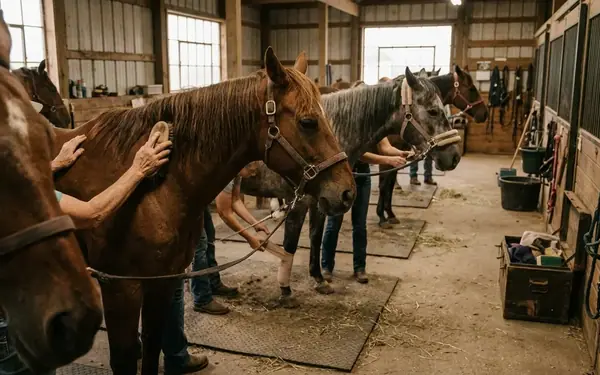
You already put in the physical work every time you groom, harness, saddle, or walk your horse down the lane away from the show ring. Printing an official log sheet and slipping it into your barn aisle binder or trailer tack room today takes less than five minutes, yet it transforms those quiet afternoon hacks into permanent recognition for your horse.
Since you and your Standardbred are already covering those quiet miles down the trail this weekend, will you let those hours vanish unmarked, or will you put them on the record to prove what this breed can really do beyond the track?