The 1788 Bottleneck That Shaped Modern Equine Temperament
Every modern Standardbred traces its lineage back to a single foundation sire, creating the 1788 Messenger genetic bottleneck constraint that permanently defined the breed. When Messenger was imported to the United States in 1788, the American landscape demanded a highly specific type of working animal. Early breeders prioritized stamina and pulling power over pure sprinting speed, establishing a foundation sire line that could handle heavy carriages while maintaining a steady trot over rough, unpaved roads. The calm temperament and sturdy bone structure that make these horses exceptional pleasure mounts stem directly from those early, deliberate breeding decisions.
Tracing this specific bloodline helps modern owners understand their off-track horse's physical and mental capabilities under saddle. Drawing on a review of historical registry data, the lineage reveals a consistent pattern of traits passed down through generations of harness racers. By looking back at the foundation sires, equestrians gain a predictive tool for evaluating how a retired pacer or trotter will handle the physical demands of trail riding and arena work. The genetic blueprint laid down over two centuries ago remains entirely relevant to today's adoption and transition programs.
Translating Harness Conformation to Saddle Endurance
The physical traits inherited from the Messenger line translate seamlessly to carrying a rider's weight on long trail rides. Breeders actively selected for dense cannon bones and a deep girth to accommodate lung expansion during long carriage pulls. They deliberately rejected the lighter, more fragile skeletal frames favored by flat-racing syndicates, focusing instead on creating a strong, durable animal capable of sustained effort. This historical focus on structural integrity provides a proven foundation for modern under-saddle work.
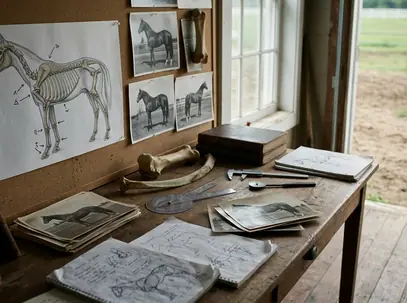
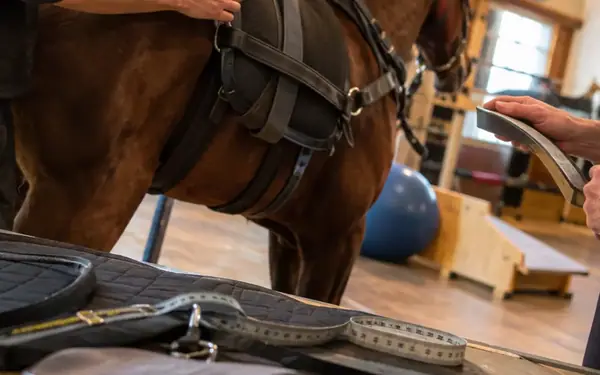
Cannon bone circumference in these foundation lines frequently measures somewhere around 8 to 9 inches. This measurement indicates a massive capacity for weight-bearing and shock absorption. Assessing cannon bone circumference during saddle fitting becomes a crucial step when transitioning the horse from the track to the trail. A deep chest and strong hindquarters, originally developed for pushing a sulky, provide the exact biomechanical engine needed for a balanced, comfortable ride.
The sturdy build of the foundation-bred Standardbred offers superior durability compared to lighter breeds. This structural density significantly reduces the risk of breakdown in pleasure riding, allowing these horses to navigate challenging terrain without the joint and tendon stress that often plagues finer-boned equines. Their physical conformation naturally supports the demands of varied equestrian disciplines.
The Psychological Blueprint of the 19th-Century Road Horse
The selection process for early road horses heavily favored a placid disposition, as a highly reactive horse was considered too dangerous for crowded 19th-century turnpikes. Drivers needed an animal that would remain steady amidst the chaos of stagecoaches, loose livestock, and unpredictable road conditions. This historical requirement embedded a highly trainable, level-headed temperament deep within the breed's genetic code. Today, this inherent willingness to work makes the breed particularly forgiving and suitable for amateur equestrians and community riding programs.
Transitioning a track-conditioned Standardbred to a relaxed pleasure mount typically requires a retraining period of approximately 90 to 120 days of consistent ground and saddle work. The Messenger bloodline provides a strong genetic predisposition for a calm demeanor, subject to the reality that a horse fresh off the track will still rely on its racing reflexes until properly desensitized to under-saddle cues. The genetic advantage of a level-headed temperament does not bypass the need for foundational retraining.
Consistent, patient under-saddle training brings out the retired racer's potential. Once the horse understands the new expectations, the historical breeding shines through, resulting in a willing partner that approaches new obstacles with curiosity rather than panic. This psychological resilience is a direct inheritance from the foundation sires.
Reading the Physical Map of Your Retired Pacer
Owners evaluating a retired pacer or trotter cross-reference the horse's freeze brand with registry databases to trace the sire line. Standardbred freeze brands are traditionally located on the right side of the neck, consisting of a unique combination of letters and numbers. This permanent identification mark serves as the key to the horse's specific genetic background and historical pedigree data.
Pedigree Mapping Payoff
Accessing the registry allows owners to map out expected physical proportions before beginning the saddle fitting process. Understanding the specific family line helps predict the horse's natural carriage, back length, and shoulder angle, streamlining the search for properly fitting tack.
Understanding a horse's specific genetic background informs training approaches, particularly when adapting their natural gait and balance for pleasure riding. Certain sire lines are known for a more pronounced lateral gait, while others naturally fall into a rhythmic trot. Recognizing these inherited tendencies allows trainers to work with the horse's natural biomechanics rather than fighting against them. Historical pedigree data serves as a useful guide for predicting a horse's adaptability to new equestrian disciplines, guiding the transition process with historical context.
Morning Miles Through the Sourland Mountain Preserve
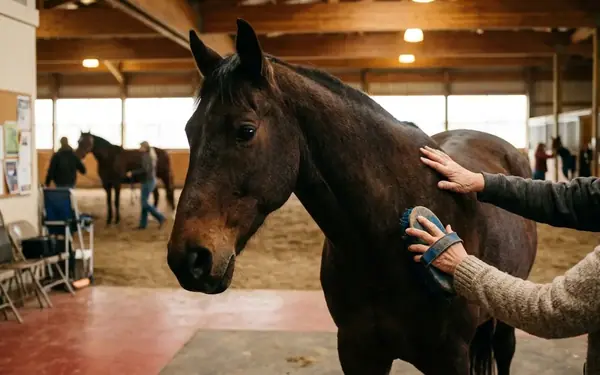
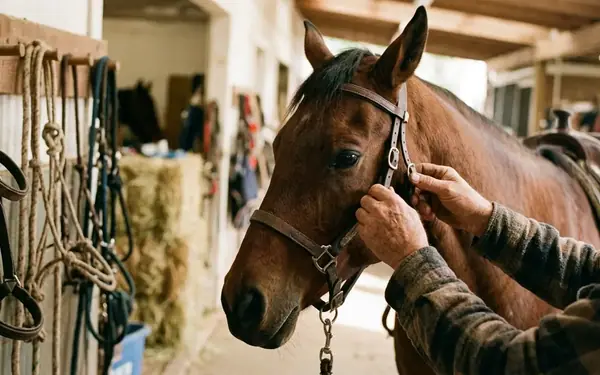
The crisp autumn air settles over the trailhead as a rider tacks up a retired bay gelding. The horse stands ground-tied and relaxed beside the trailer, lowering his head into the halter with a soft exhale. His deep chest and thick cannon bones reflect generations of careful selection, presenting a picture of quiet strength before the ride begins.
They set out on a 5-mile loop of rocky, uneven trail terrain winding through the dense New Jersey woods. The rider adopts a loose-rein approach on the uneven terrain, trusting the horse's historically bred sure-footedness rather than micromanaging its balance over the rocks. The gelding picks his way through a dry creek bed, his strong hindquarters engaging smoothly to push up the steep opposite bank. The centuries-old breeding decisions of the Messenger line are visible in this peaceful moment: a steady horse and rider moving along the quiet morning trail.